Build an Emergency Fund Before Anything Else
An emergency fund is not an investment. It is the buffer that stops a bad month from becoming a debt that follows you for years.
Before investing, before a new laptop, before anything with a return, there is a buffer. An emergency fund is money set aside for the months that do not go to plan: a job loss, a car repair, a medical bill, a boiler that fails in January. Without it, every surprise becomes debt.
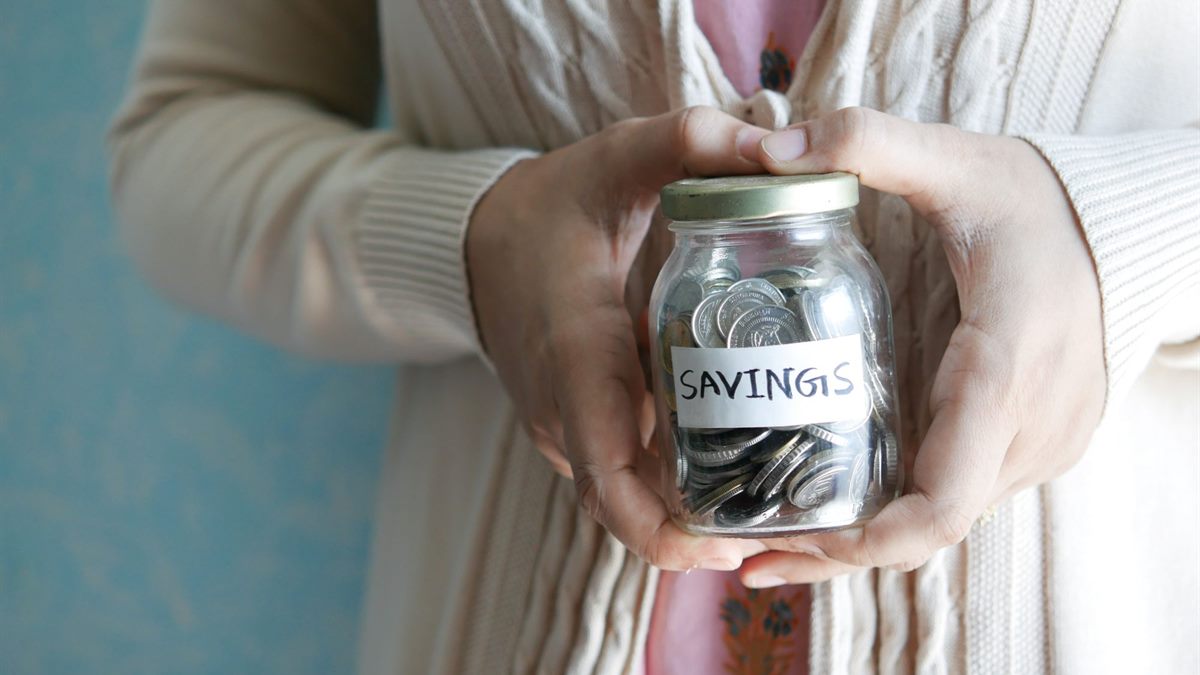
Set the target from real expenses
The usual advice is three to six months of expenses, but the useful version is three to six months of essential spending. Add rent or mortgage, utilities, food, transport, insurance, and minimum debt payments. Do not include entertainment or savings goals.
If your income is variable or your job is insecure, aim for the higher end. If you have a stable public-sector job and a second income in the household, the lower end may be enough.
Start with a first milestone
One month of essential expenses is a realistic first target. It is small enough to reach and large enough to absorb most common emergencies. Once it is there, the next month is easier because the habit is already built.
A starter buffer of a few hundred in cash at home covers the situations where a card machine is down or a bank transfer is delayed.
Where to keep it
- A separate savings account, not the current account.
- Instant or next-day access, not a locked term deposit.
- A decent interest rate, but access matters more.
- No investment risk; this money must not fall in value.
- Named clearly, so you do not spend it by accident.
Keep the fund at a different bank from your daily account if that makes it harder to dip into. The friction is the point.
Automate the transfer
A standing order on payday moves the money before it can be spent. Start with an amount you will not miss, even a small one, and increase it when a bill ends or a raise arrives. Automating removes the monthly decision, which is where most savings plans fail.
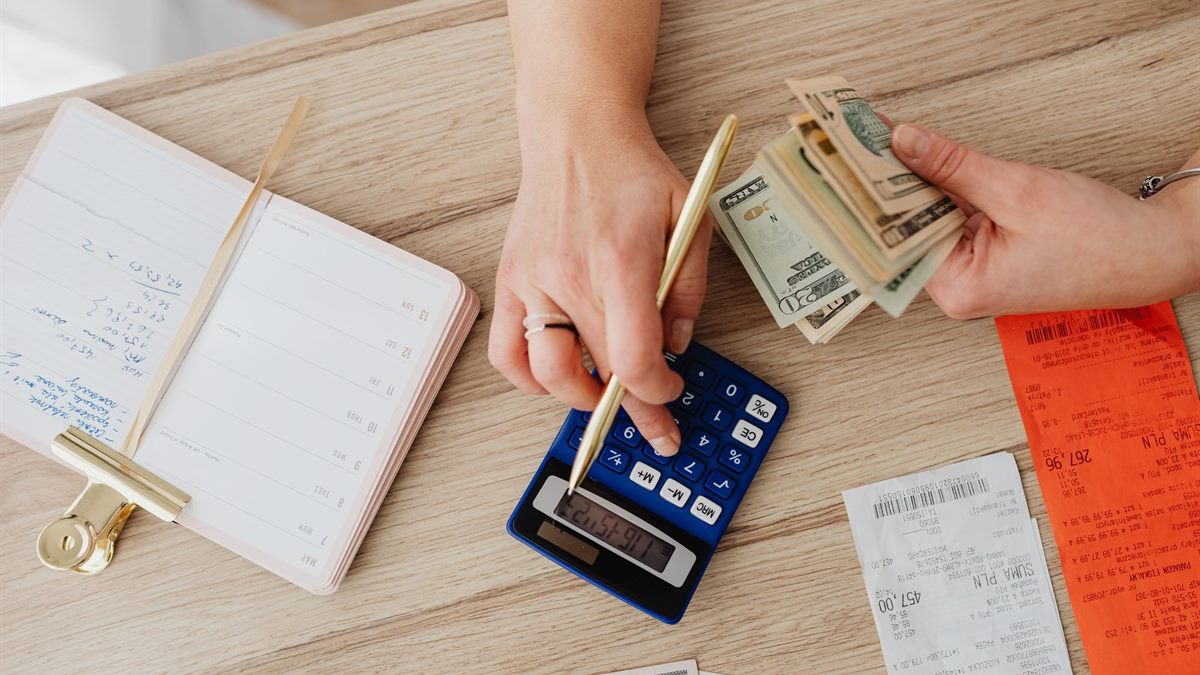
Use it, then rebuild
An emergency fund is meant to be spent on emergencies. Using it for a genuine crisis is not failure; it is the fund doing its job. What matters is rebuilding it afterwards, starting with the same automatic transfer.
Define what counts before you need it: job loss, urgent repairs, medical costs, travel for a family emergency. A holiday or a sale is not an emergency, and having the definition written down makes the decision easier in the moment.
What to do after the first month
Once the fund holds one month, split new savings between finishing the fund and any high-interest debt. The Consumer Financial Protection Bureau guide covers the same order of operations. If the debt is credit card debt, the guide to credit card debt payoff explains how to clear it without emptying the buffer.
Review the target once a year and after any big change in income or housing costs. The number is not a personal failing if it takes longer than planned; it is a moving target tied to real expenses. A fund that covers one month is already doing useful work.
Frequently Asked Questions
How much should an emergency fund hold?
Three to six months of essential expenses is a common target. Aim higher if your income is variable or your job is insecure, and start with one month as the first milestone.
Where should I keep an emergency fund?
A separate savings account with instant or next-day access and no investment risk. A different bank from your daily account adds useful friction.
Should I invest my emergency fund?
No. The money must be available and must not fall in value. Investments are for longer horizons; the emergency fund is insurance, not a return.
What counts as an emergency?
Job loss, urgent home or car repairs, medical costs, and travel for a family emergency. A sale, a holiday, or a planned purchase is not an emergency.