Healthy
Walking for Beginners: A Routine You Can Keep
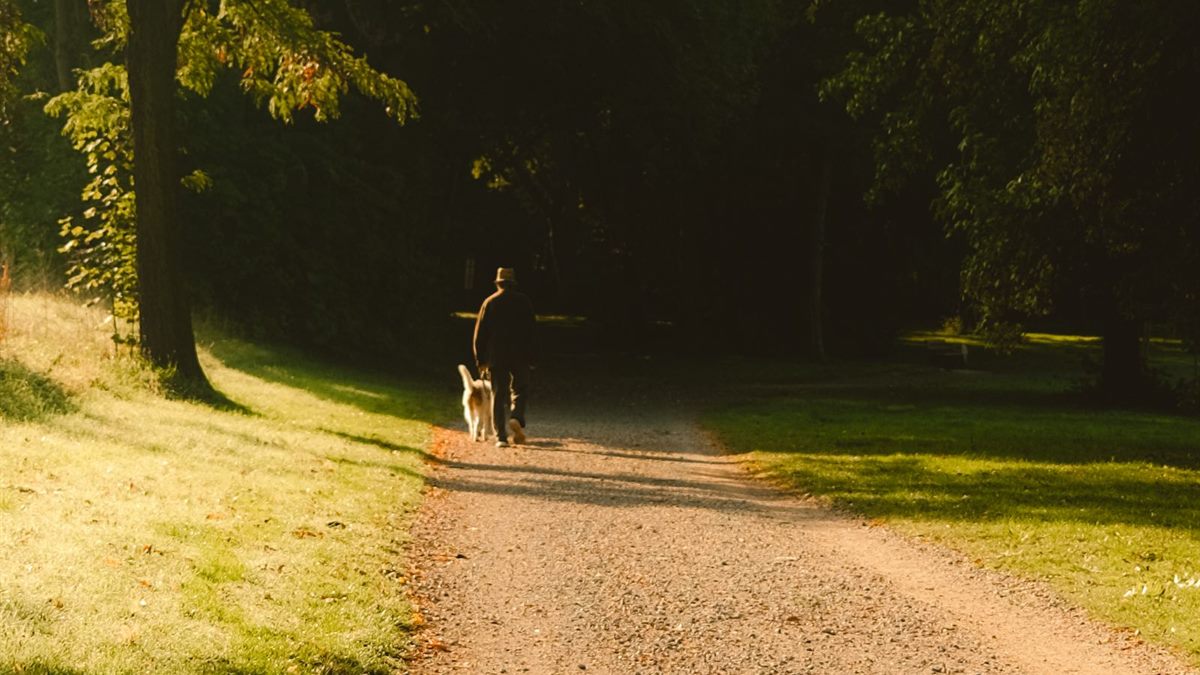
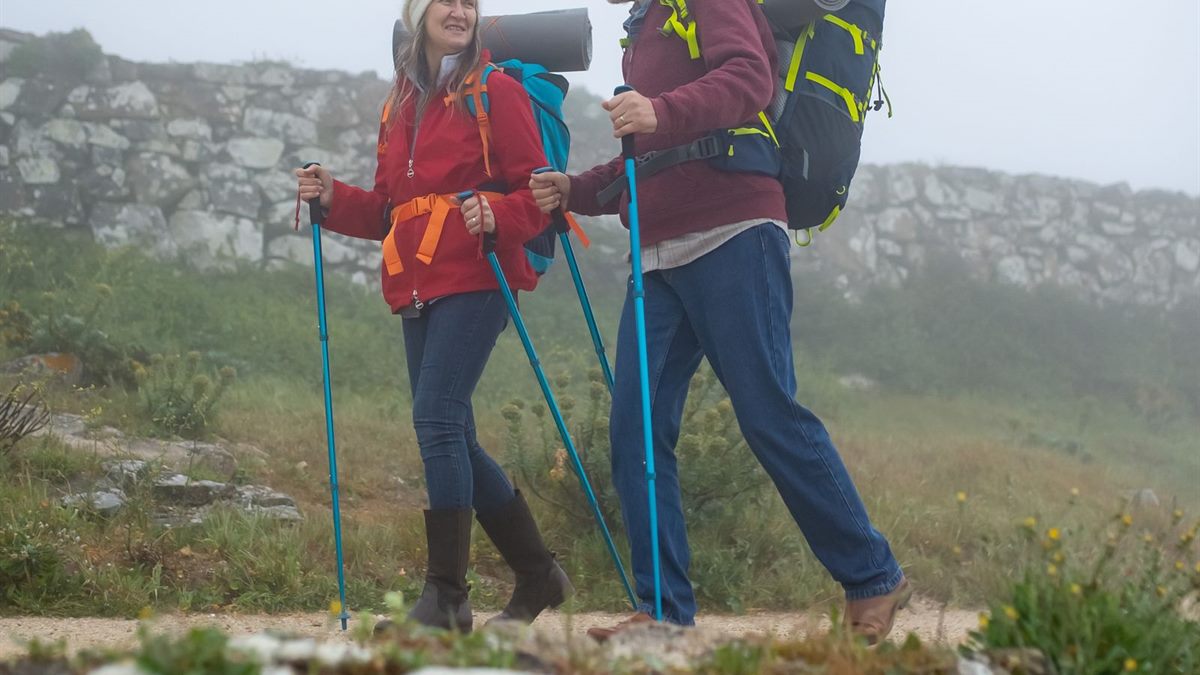
Walking works because it is repeatable. Start shorter than feels impressive, keep the pace conversational, and build the habit before the distance.
Read MoreCategory
Health habits stick when they are small enough to repeat. A daily walk and a consistent bedtime do more than an ambitious plan abandoned in week two.
These guides cover two habits that support almost everything else.
Walking works because it is repeatable. Start shorter than feels impressive, keep the pace conversational, and build the habit before the distance.
Read MoreSleep resets fail when they start at bedtime. Start with a fixed wake time, then work backwards through light, caffeine, and wind-down.
Read MoreStretching at a desk is not about flexibility. It is about interrupting the position you have held for two hours.
Read MoreHydration is mostly a habit problem. A visible bottle and a drink with every meal solves most of it.
Read MoreYou do not need a gym to get stronger. A chair, a wall, and a band cover the basic movements.
Read MoreMeal prep fails when it produces five identical boxes. Prepare components and assemble them differently each day.
Read MoreMorning routines fail when they are too long. Three anchors, prepared the night before, are enough.
Read MoreThe problem with sitting is not one long session but the total hours. Small interruptions add up more than a standing desk.
Read MoreNew runners quit because they run too fast and too often. Walk breaks are not a failure; they are the plan.
Read MoreSlow breathing works best when it is practised before you need it. The technique is simple; the habit is the hard part.
Read MoreMost people do not need a new diet, just more vegetables on the plate they already eat.
Read MoreThere is no single perfect posture. The useful goal is a comfortable setup and frequent changes of position.
Read MoreSleep is easier in a room that is dark, cool, and boring. Most bedroom improvements are about removing stimulation.
Read MoreA walking meeting is the easiest way to add movement to a desk job, provided the meeting does not need a screen.
Read MoreMorning stretching is not about flexibility tests. It is about undoing eight hours in one position before you sit down again.
Read MoreEye strain comes from sustained focus, not just brightness. Looking into the distance every twenty minutes does most of the work.
Read MoreSnacking improves when the swap is close to what you already eat, not when it becomes a different food entirely.
Read MoreCycle commuting fails when the route is unpleasant. Plan for safety and weather, and start with one day rather than five.
Read MoreThe hardest part of home exercise is starting. A space that is already set up removes that barrier.
Read MoreWeekly habits are easier to keep than daily ones for most people, because a single missed day does not break the streak.
Read More