A Breathing Technique for Stressful Moments
Slow breathing works best when it is practised before you need it. The technique is simple; the habit is the hard part.
Breathe in through the nose for a comfortable count, then out for slightly longer. Keep the pace gentle, since forcing a slow breath can increase tension. The plan that works is the one you can repeat on a bad day, not the one that looks impressive on paper.
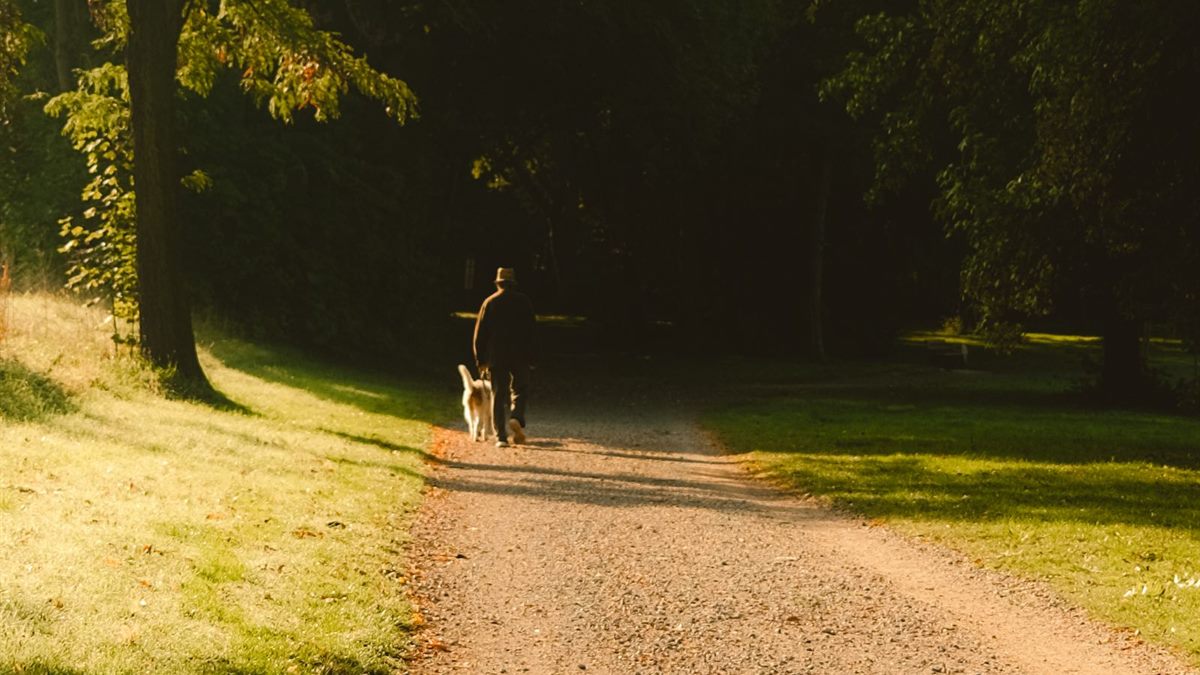
Start below your ambition
Aim for about six breaths a minute, but let the rhythm feel natural. Breathe from the belly rather than the chest, which you can check with a hand on the stomach. Attach the new habit to something that already happens, so it needs no separate decision.
Build it into the week
Practise for two minutes when calm so the technique is familiar in a difficult moment. Use it before a meeting, a difficult call, or a moment of frustration. Progress is measured in weeks and months, which is why a single missed day means nothing.
Before adding anything new, look at the week you already have and find the point where the habit can attach. Most routines fail because they were designed for an ideal week rather than the one that actually happens. Keep the first version small enough to complete on a bad day, and treat that version as the real plan. A modest routine repeated for a month is worth more than an ambitious one abandoned in ten days.
Do not hold the breath, and stop if you feel dizzy. Discomfort is normal at the start; sharp pain is not, and it deserves a different response.
Keep this simple
- Inhale through the nose
- Exhale slightly longer
- Keep the pace comfortable
- Practise when calm
Handle the days that go wrong
Combine the breathing with a short walk or a change of room. Keep the shoulders relaxed and unclench the jaw. Keep the equipment visible and the route familiar, because friction is what ends most routines.
Use a simple count of four in and six out as a starting point. Avoid judging the result; the aim is a pause, not instant calm.
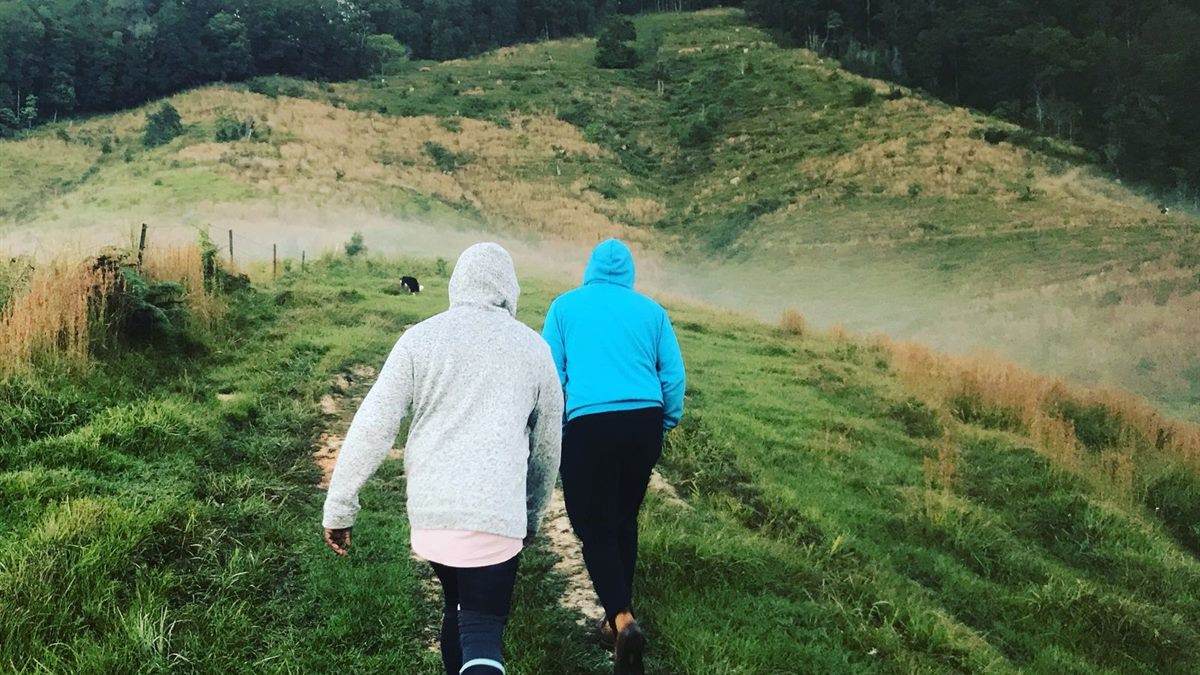
Track the habit, not the outcome
If breathing exercises make you anxious, try a physical grounding exercise instead. Practise in the same place at the same time to build the habit. Rest days are part of the plan, not a failure of it.
If a week goes wrong, restart at the next opportunity rather than waiting for a perfect Monday. Missing one session changes very little, while the story that the whole plan has failed changes everything. Keep the equipment visible, keep the session short, and record only that it happened. Progress is easier to see across months than across days, so judge the trend rather than the last attempt.
Slow breathing is a tool, not a cure, and it works best alongside sleep and movement. Use it for a minute rather than ten, since short and frequent beats long and rare. A calmer body makes the next decision easier, which is the real benefit. If you want the wider picture, read Eat More Vegetables Without a New Diet before you decide.
For the underlying guidance, see the CDC physical activity guidance.
Frequently Asked Questions
What is the best breathing technique for stress?
Slow nasal breathing with a longer exhale, around six breaths a minute. Comfort matters more than the exact count.
Does deep breathing work immediately?
It can calm the body quickly, but the effect is stronger when practised regularly.
Can breathing exercises cause dizziness?
Yes, if you breathe too fast or force slow breaths. Stop and return to normal breathing.
When should I use it?
Before stressful events, during a difficult moment, or as a short daily practice.