Turn One Meeting a Day Into a Walk
A walking meeting is the easiest way to add movement to a desk job, provided the meeting does not need a screen.
Choose audio-only meetings, since a walking meeting does not work with shared screens. Start with one a week and increase when the habit feels normal. The plan that works is the one you can repeat on a bad day, not the one that looks impressive on paper.

Start below your ambition
Plan a route that is quiet, safe, and has a good signal. Use headphones with a microphone so the call sounds clear. Attach the new habit to something that already happens, so it needs no separate decision.
Build it into the week
Mute when walking past traffic or a crowd. Keep notes in a phone app or record a short summary afterwards. Progress is measured in weeks and months, which is why a single missed day means nothing.
Before adding anything new, look at the week you already have and find the point where the habit can attach. Most routines fail because they were designed for an ideal week rather than the one that actually happens. Keep the first version small enough to complete on a bad day, and treat that version as the real plan. A modest routine repeated for a month is worth more than an ambitious one abandoned in ten days.
Tell the other person at the start that you are walking, so background noise is expected. Discomfort is normal at the start; sharp pain is not, and it deserves a different response.
Keep this simple
- Pick an audio-only meeting
- Start with one a week
- Use headphones with a mic
- Mute near traffic
Handle the days that go wrong
Avoid walking meetings for difficult conversations or detailed negotiations. Keep the pace easy so you can speak clearly. Keep the equipment visible and the route familiar, because friction is what ends most routines.
Choose a route with a bench in case you need to stop and write. Check the weather and have an indoor backup.
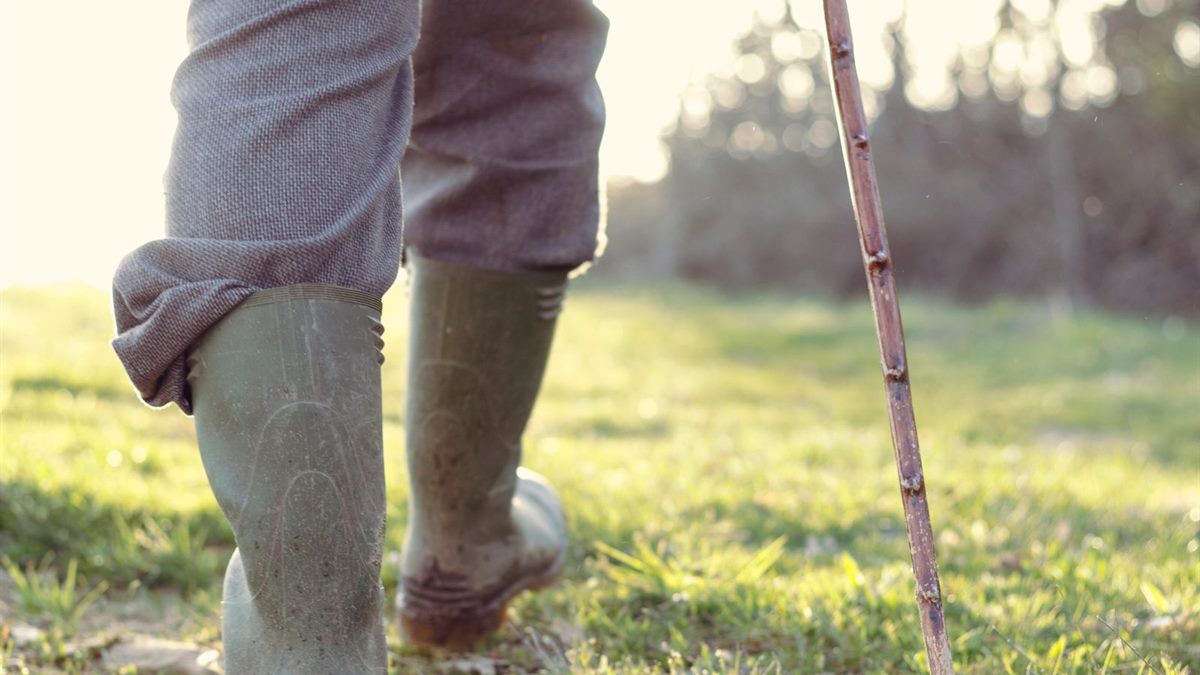
Track the habit, not the outcome
Use the walk for one-to-one check-ins rather than large group calls. Keep the meeting to the scheduled time, since walking can stretch the conversation. Rest days are part of the plan, not a failure of it.
If a week goes wrong, restart at the next opportunity rather than waiting for a perfect Monday. Missing one session changes very little, while the story that the whole plan has failed changes everything. Keep the equipment visible, keep the session short, and record only that it happened. Progress is easier to see across months than across days, so judge the trend rather than the last attempt.
End the call before returning to the desk so the notes can be captured. A daily short walk outside is often more valuable than a longer one once a week. The habit works when it is scheduled, not when it depends on a free moment. If you want the wider picture, read Walking for Beginners: A Routine You Can Keep before you decide.
For the underlying guidance, see the CDC physical activity guidance.
Frequently Asked Questions
What is a walking meeting?
A meeting held while walking, usually audio-only. It adds movement and often improves conversation.
Are walking meetings professional?
Yes for one-to-one check-ins and informal calls. Avoid them for sensitive or screen-based discussions.
How do I take notes while walking?
Use a phone note, a voice memo, or summarize immediately after the call.
How do I start the habit?
Choose one recurring audio call a week and plan a safe route. Increase once it feels normal.