Solo Travel Safety Without the Fear
Solo travel is mostly ordinary caution plus preparation. The goal is confidence, not constant vigilance.
Share your itinerary with someone at home and check in at agreed times. Choose accommodation in a well-reviewed area and read recent reviews. Most trip costs are fixed before you leave, so the planning decides the budget more than the spending.
Decide the constraints first
Keep a digital and paper copy of your passport and insurance separately. Avoid arriving in an unfamiliar city late at night without a plan. Compare the total price, including bags, transfers, and the cost of getting to the station.
Book the cheap parts early
Use official taxis or licensed ride apps rather than unmarked cars. Keep your phone charged and carry a power bank. A short trip with two strong days beats a packed itinerary that starts with a missed connection.
Before booking anything, write down the dates, the budget, and the one thing the trip is for. Most travel stress comes from plans that tried to include everything rather than from a lack of options. Book the fixed parts early and leave the rest flexible, since the best day is often the one that changed. Keep copies of every booking offline, and check the cancellation terms before paying. A small notebook for bookings, times, and addresses is still faster than unlocking a phone in a queue. It also works when the battery is gone, which is exactly when you need it most. Keep the important details in one place and update them as the plan changes.
Trust the small warning signs, such as a bad feeling about a street or a person. Write the plan in pencil; the best part of a trip is usually the thing you did not schedule.
Before you book
- Share your itinerary
- Keep documents in two places
- Use licensed transport
- Learn the emergency number
Leave room for the day itself
Walk with purpose and look like you know where you are going, even when you do not. Keep cash and cards in two separate places. Keep the documents and bookings offline, because airport Wi-Fi fails at the worst possible moment.
Avoid sharing your exact location or travel dates publicly in real time. Learn the local emergency number and the address of your accommodation.
Spend on what you remember
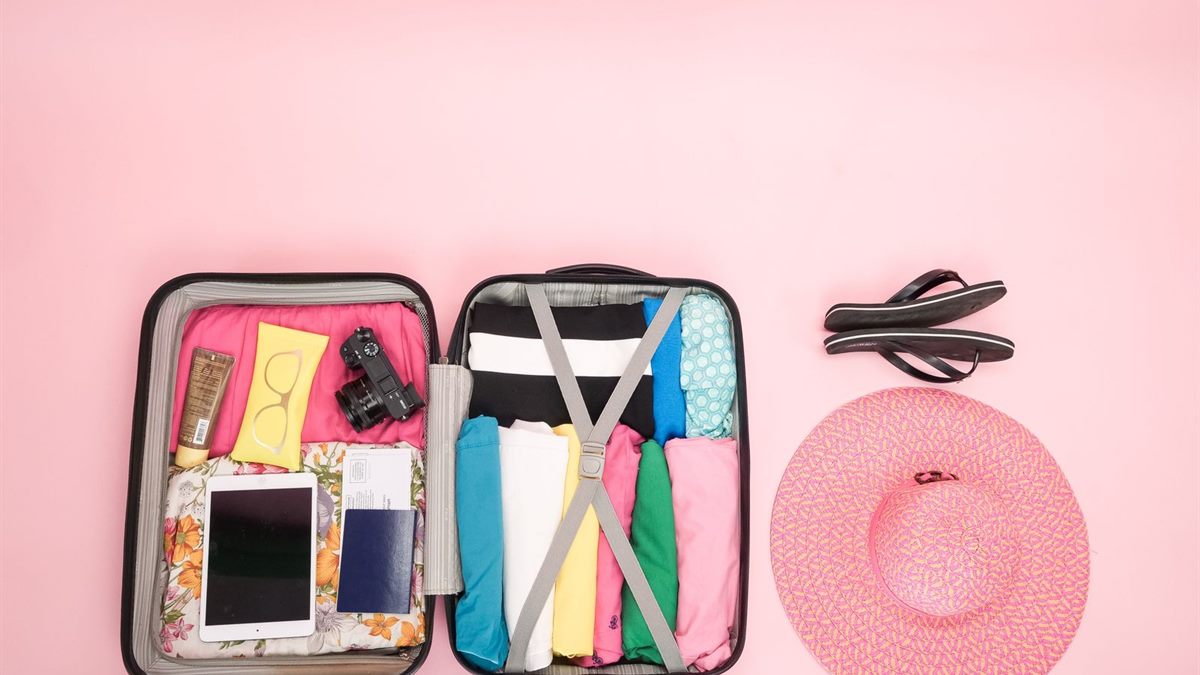
Check the local advice for the area before you go. Sit near other people in quiet stations and carriages. Pack less than you think and carry the difference in attitude rather than in a second bag.
If something goes wrong, solve the next step rather than the whole trip. Travel plans rarely fail completely; they usually need one booking changed or one afternoon rearranged. Keep the important numbers, the documents, and a little cash separate from the main bag. The trip you remember is rarely the one that went exactly to plan, so leave room for the day to decide.
Do not leave drinks unattended, and watch them being poured. Keep the accommodation key and the address written down somewhere offline. Solo travel becomes easier with a simple routine and a few prepared contacts. If you want the wider picture, read Off-Season Travel: Cheaper and Calmer before you decide.
For the underlying guidance, see the TSA travel guidance.
Frequently Asked Questions
Is solo travel safe?
Generally yes with ordinary precautions. Choose well-reviewed areas, plan arrivals, and share your itinerary.
What should I do if I feel unsafe?
Leave the situation, go to a busy place, and call someone. Trust the feeling rather than explaining it away.
Should I post my location on social media?
Avoid real-time posts. Share after you leave, or with a small trusted group.
How do I stay connected while travelling alone?
Keep a local SIM or eSIM, carry a power bank, and check in with someone at home regularly.