Your First Credit Card: What to Check
A first credit card is a tool for building a payment history, not a source of extra money.
Compare the annual percentage rate, but assume you will pay in full each month and avoid interest entirely. A low credit limit is safer for a first card because it naturally limits the damage of a mistake. Write the figures down before deciding anything, because a plan based on a feeling is not a plan.
Work out the real numbers
Set up a direct debit for the full balance, which prevents both late fees and interest. Use the card for a fixed, predictable cost such as fuel or groceries, not for discretionary spending. The order of operations matters more than the size of each step, especially in the first year.
Set a rule you can keep
Check whether the card charges a fee for foreign transactions before using it abroad. Avoid cash withdrawals, which usually attract a fee and interest from the day of withdrawal. A rule that needs willpower every day will fail; a rule that runs automatically will not.
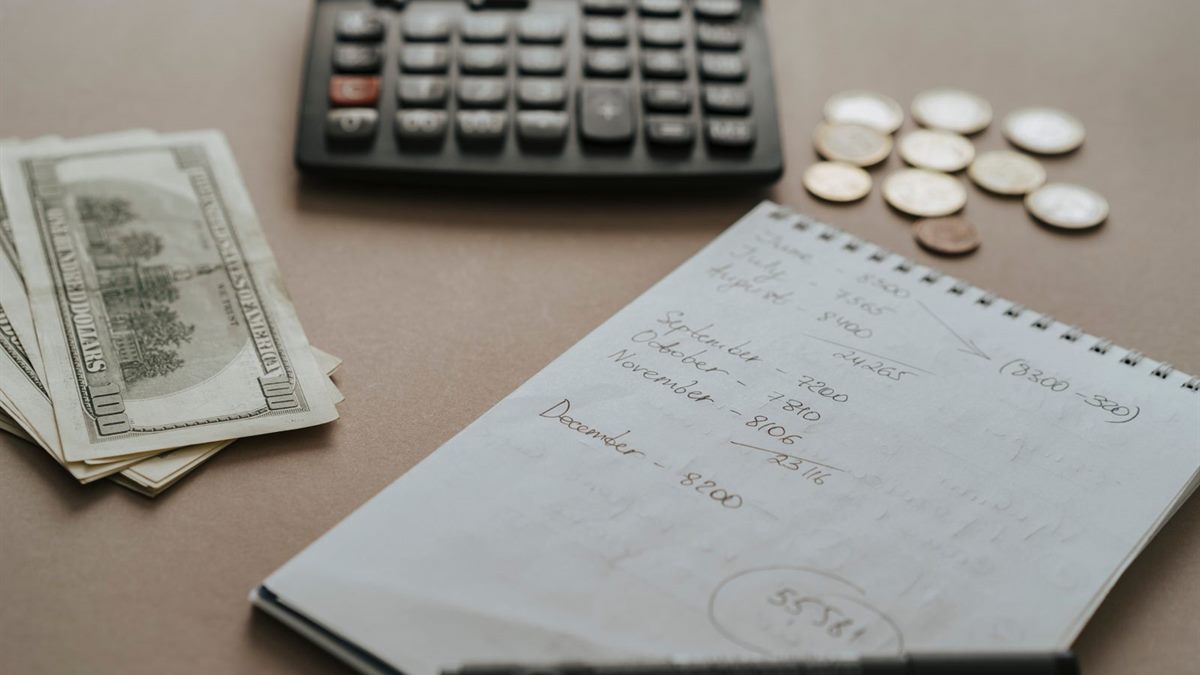
Before changing anything, gather the numbers in one place: income, fixed costs, debts, and the balance of every account you use. Most money decisions go wrong because one regular cost was forgotten rather than because the plan was unreasonable. Give the plan a month before judging it, and compare the result with the estimate instead of with how it felt. A small correction made early is cheaper than a large one made later.
Read the section on late payments, because one missed payment can affect your record for years. Keep the buffer separate from the spending account so that a good month does not become a bigger month.
What to check this month
- Choose a card with no annual fee
- Set a direct debit for the full balance
- Stay below 30 percent utilisation
- Never withdraw cash on credit
Avoid the common traps
Keep the credit utilisation below thirty percent of the limit, which supports your credit record. Do not open several cards at once, since multiple applications can hurt your score. Small leaks are easier to fix than large ones, and they are usually the reason a budget never balances.
Check the statement every month against your own records, not just the balance. Set a reminder two days before the payment date as a backup to the direct debit.
Review it every month
If the limit is raised automatically, keep your spending the same. Keep the card details out of saved checkouts where possible, which reduces accidental spending. Review the numbers on the same day each month, and change one thing at a time.
If a month goes badly, look for the single largest cause before changing the whole system. Financial plans usually fail because of one recurring cost or one irregular month, not because every category was wrong. Keep the parts that worked, adjust the part that did not, and write the change down. The aim is a plan that survives an ordinary month, not one that only works in a good one.
Contact the issuer immediately if the card is lost, and use the app to freeze it. A credit card is not an emergency fund; that belongs in a savings account. The best first card is boring: low limit, full repayment, no annual fee. If you want the wider picture, read How to Read a Payslip Properly before you decide.
For the underlying guidance, see the Consumer Financial Protection Bureau guidance.
Frequently Asked Questions
What is the best first credit card?
A no-fee card with a modest limit and a direct debit for the full balance. Rewards matter less than avoiding interest.
Does using a credit card build credit?
Yes, if you pay on time and keep utilisation low. Missed payments and high balances do the opposite.
Should I pay the minimum or the full balance?
The full balance, every month. Minimum payments are designed to keep you in debt.
How many credit cards should I have?
One or two is plenty for most people. More cards mean more statements and more risk.