Run a Subscription Audit in One Evening
Subscriptions are designed to be forgotten. One evening with a bank statement fixes a year of quiet overspending.
Download three months of bank and card statements and highlight every recurring charge. List each subscription with its purpose, cost, and renewal date in one place. Write the figures down before deciding anything, because a plan based on a feeling is not a plan.
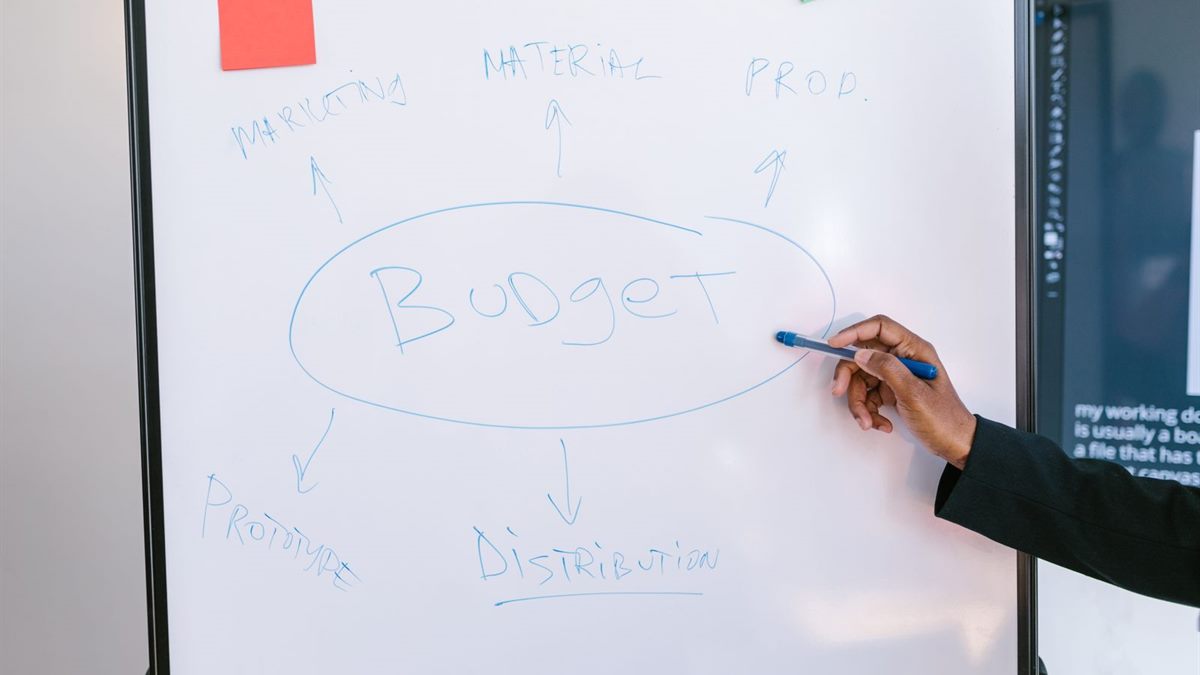
Work out the real numbers
Mark anything you have not used in the last month, which is usually the clearest signal. Cancel unused services immediately rather than at the end of the billing period. The order of operations matters more than the size of each step, especially in the first year.
Set a rule you can keep
Check for duplicate services, such as two streaming platforms with overlapping catalogues. Switch to an annual plan only for services you have used for several months. A rule that needs willpower every day will fail; a rule that runs automatically will not.
Before changing anything, gather the numbers in one place: income, fixed costs, debts, and the balance of every account you use. Most money decisions go wrong because one regular cost was forgotten rather than because the plan was unreasonable. Give the plan a month before judging it, and compare the result with the estimate instead of with how it felt. A small correction made early is cheaper than a large one made later.
Set a calendar reminder before each annual renewal so you can cancel in time. Keep the buffer separate from the spending account so that a good month does not become a bigger month.
What to check this month
- Check three months of statements
- List cost and renewal date
- Cancel unused services today
- Set reminders before renewals
Avoid the common traps
Use one card for subscriptions so the list is easy to rebuild next time. Check app store subscriptions separately, because they do not always appear on the bank statement clearly. Small leaks are easier to fix than large ones, and they are usually the reason a budget never balances.
Review shared family plans, which are often cheaper than several individual subscriptions. Watch for free trials that convert automatically, and cancel the day you start if unsure.
Review it every month
Keep the services that genuinely earn their cost, and do not cancel everything for the sake of it. Repeat the audit every six months, since new subscriptions accumulate quietly. Review the numbers on the same day each month, and change one thing at a time.
If a month goes badly, look for the single largest cause before changing the whole system. Financial plans usually fail because of one recurring cost or one irregular month, not because every category was wrong. Keep the parts that worked, adjust the part that did not, and write the change down. The aim is a plan that survives an ordinary month, not one that only works in a good one.
A subscription you forgot about is a subscription you do not need. Put the money saved towards a sinking fund rather than letting it disappear into spending. The goal is intentional spending, not a zero-subscription life. If you want the wider picture, read Build an Emergency Fund Before Anything Else before you decide.
For the underlying guidance, see the Consumer Financial Protection Bureau guidance.
Frequently Asked Questions
How do I find all my subscriptions?
Check three months of bank and card statements, plus your app store subscription list. Recurring charges are easy to spot.
Should I cancel unused subscriptions immediately?
Yes. Waiting for the renewal date usually means paying for another period you will not use.
Are annual subscriptions cheaper?
Often, but only switch once you know you will use the service. A cheap annual plan you abandon is not a saving.
How often should I audit subscriptions?
Every six months, or whenever you notice the card balance drifting. New subscriptions appear quietly.