Travelling With Kids Without Losing the Day
Family travel works when the plan has fewer activities and more snacks than the adult version.
Plan one main activity per day, with space for rest and food in between. Pack more snacks than you think you need, since hunger causes most travel meltdowns. Most trip costs are fixed before you leave, so the planning decides the budget more than the spending.
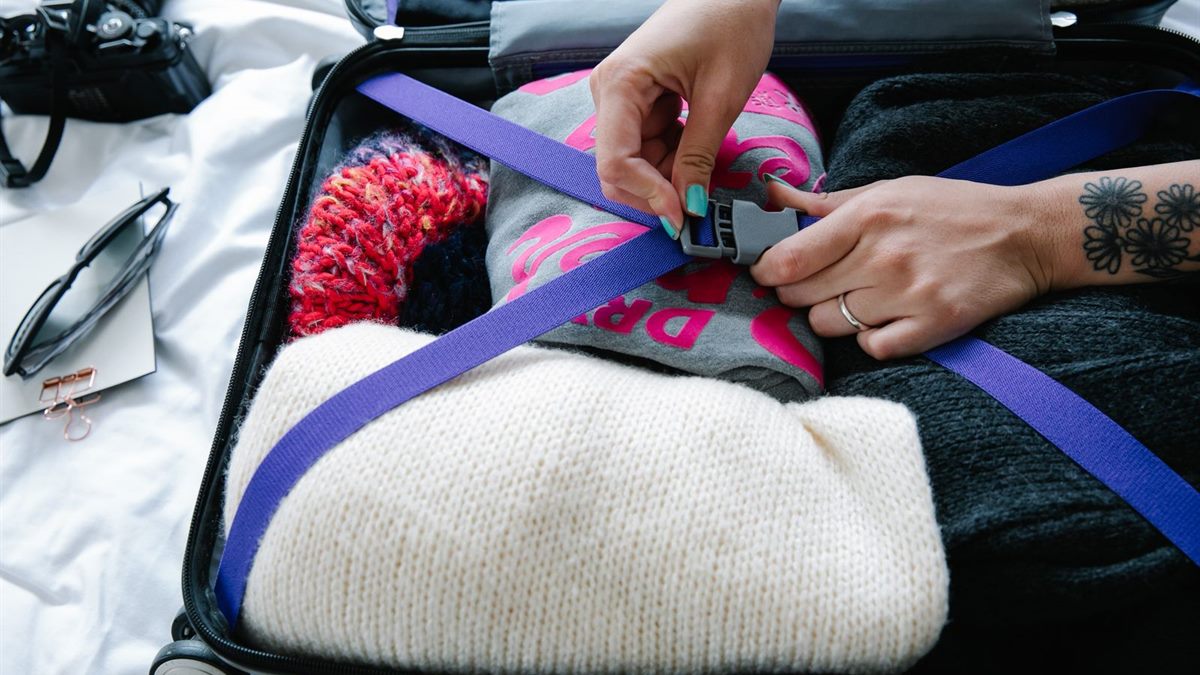
Decide the constraints first
Keep the nap and bedtime routine as close to home as possible. Choose accommodation with a separate sleeping space if the budget allows. Compare the total price, including bags, transfers, and the cost of getting to the station.
Book the cheap parts early
Check whether the destination has activities for the children, not just for adults. Carry a change of clothes for each child in the day bag. A short trip with two strong days beats a packed itinerary that starts with a missed connection.
Before booking anything, write down the dates, the budget, and the one thing the trip is for. Most travel stress comes from plans that tried to include everything rather than from a lack of options. Book the fixed parts early and leave the rest flexible, since the best day is often the one that changed. Keep copies of every booking offline, and check the cancellation terms before paying. A small notebook for bookings, times, and addresses is still faster than unlocking a phone in a queue. It also works when the battery is gone, which is exactly when you need it most. Keep the important details in one place and update them as the plan changes.
Plan for queues with something to do, such as a small toy or a game. Write the plan in pencil; the best part of a trip is usually the thing you did not schedule.
Before you book
- One main activity a day
- Pack extra snacks
- Keep the sleep routine
- Plan for queues
Leave room for the day itself
Book seats together and arrive early rather than relying on luck. Keep medication and comfort items in the hand luggage. Keep the documents and bookings offline, because airport Wi-Fi fails at the worst possible moment.
Lower the daily distance, since children walk less and complain more when tired. Involve older children in choosing one activity, which improves cooperation.
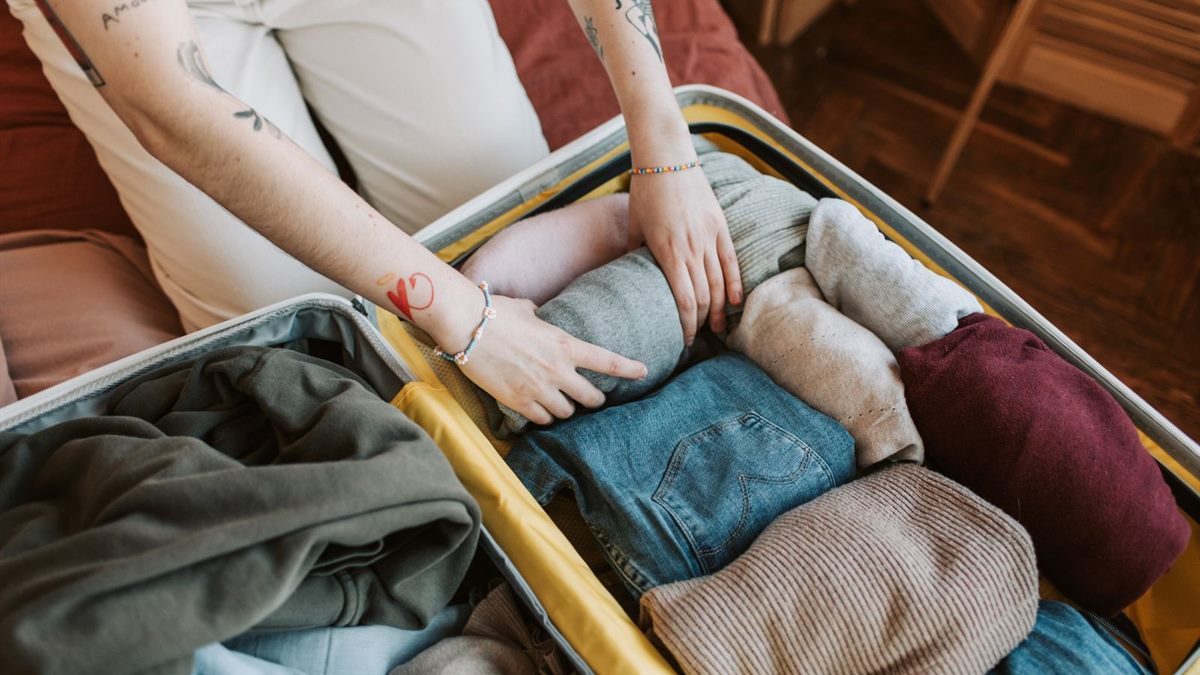
Spend on what you remember
Check the child ticket rules and age limits before booking. Avoid over-scheduling the first day, which is usually the hardest. Pack less than you think and carry the difference in attitude rather than in a second bag.
If something goes wrong, solve the next step rather than the whole trip. Travel plans rarely fail completely; they usually need one booking changed or one afternoon rearranged. Keep the important numbers, the documents, and a little cash separate from the main bag. The trip you remember is rarely the one that went exactly to plan, so leave room for the day to decide.
Keep a familiar bedtime object for younger children. Take photos at the start of the day, when everyone is still patient. A good family trip is slower than a solo one, and that is the point. If you want the wider picture, read Solo Travel Safety Without the Fear before you decide.
For the underlying guidance, see the TSA travel guidance.
Frequently Asked Questions
How do I travel with young children?
Plan one activity a day, keep snacks and sleep routines, and allow more time than you think.
What should I pack for kids?
Snacks, layers, a change of clothes, comfort items, medication, and something to do in queues.
How do I keep children entertained on a flight?
Download shows, bring a small toy, and plan snacks around take-off and landing.
Is it worth travelling with a baby?
It can be, with a slower plan and realistic expectations. Choose short journeys and flexible bookings.